In the heart of the African continent, two giants—South Africa and Nigeria—have long shared a complex dance of brotherhood, competition, and cultural exchange. From the beats of Afrobeats and Amapiano to the boardrooms of multi-billion dollar telecommunications and energy firms, the synergy between these two nations often sets the rhythm for the rest of Africa.
However, in recent weeks, that rhythm has been disrupted by a familiar and painful discord.
The Recent Surge in Xenophobic Tensions
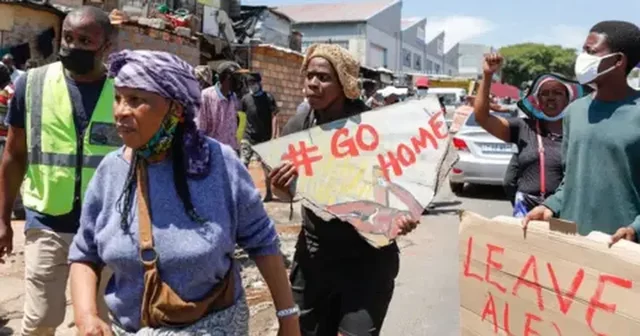
As of late April 2026, a fresh wave of anti-foreigner sentiment has swept through major South African hubs like Johannesburg, Pretoria, and KuGompo (formerly East London). What began as marches organized by groups like Operation Dudula and the March and March movement—initially framed as protests against illegal immigration—has unfortunately spiraled into targeted harassment of Nigerian business owners and residents.
The images coming out of these protests are stark. Signs reading “#GO HOME” and “LEAVE” (much like the one seen in recent local reports) underscore a growing disconnect between the diplomatic goals of the governments and the reality on the streets.
The “King of the Igbos” Controversy
A specific flashpoint occurred in KuGompo following the installation of a Nigerian community leader with a traditional title translated as the “King of the Igbos in East London.” While the Nigerian diaspora views such titles as a common cultural practice to maintain heritage abroad, some local South African activists interpreted it as an affront to local sovereignty, further fueling the “illegal immigration” narrative.
The Human Cost
The Nigerians in Diaspora Commission (NiDCOM), led by Abike Dabiri-Erewa, has recently raised the alarm, noting that the situation is “deteriorating.” Reports have surfaced of:
- School children of Nigerian descent being afraid to attend classes.
- Business owners shuttering their shops in Gauteng and Eastern Cape provinces.
- Violent clashes resulting in looting and, tragically, reports of loss of life.
The Paradox of Progress
What makes this “crisis” particularly frustrating is the timing. Just last week, high-level officials from both nations met at the South Africa–Nigeria Economic Diplomacy Roundtable in Lagos to discuss deepening energy ties and faster implementation of the African Continental Free Trade Area (AfCFTA).
It seems there is a widening gap between the economic diplomacy happening in hotel ballrooms and the social reality in the townships.
A Call for Harmony
At SoundTunez, we believe that Africa’s strength lies in its unity. When Nigeria and South Africa collaborate, the continent prospers. When they clash, the dream of a unified Africa stutters.
As we listen to the latest tracks crossing borders from Lagos to Cape Town, let’s remember that “Crime has no nationality.” It is time for the South African government to take decisive action to protect all residents, and for both nations to move past the rhetoric of division.
What do you think is the best way to bridge the gap between Nigerians and South Africans? Drop your thoughts in the comments below.
Key Facts for Your Readers:
- April 27–29, 2026: Significant protests occurred during the Freedom Day holiday period.
- Diplomatic Warning: The Nigerian High Commission has advised citizens in South Africa to exercise extreme caution and avoid public gatherings.
- Core Issue: Tensions are often driven by socio-economic frustrations, including high unemployment and competition for resources, which are then redirected toward foreign nationals.
About the Author