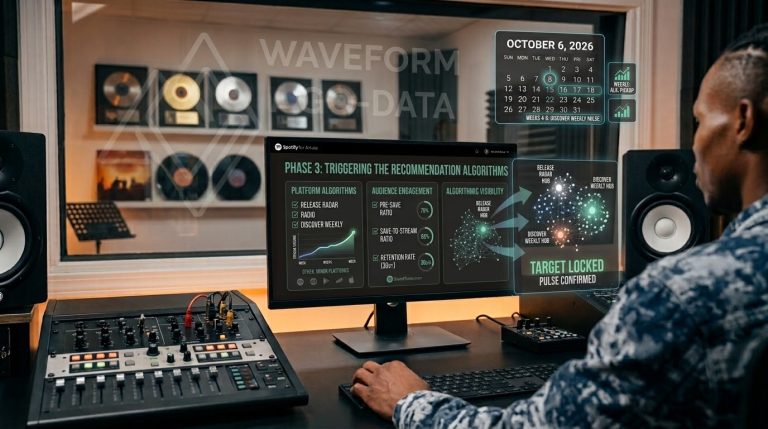
Discover How Data Analysis Shapes Music Trends and Drives Industry Insights
Table of Contents
- The Impact of Data Analysis on Music Trends: A Scientific Perspective
- Music Industry Insights: How Data Shapes Consumer Preferences
- Trends in Music Data: Identifying Patterns and Predictions
- The Role of Music Analytics Research in Understanding Audience Engagement
- The Impact of Data on Music Creation and Distribution Strategies
- Conclusion
- How does data analysis influence music trends?
- What are some key insights from music analytics research?
- What is the impact of data on music consumption?
- How do trends in music data affect artist development?
- What role do music industry insights play in shaping future trends?
In the contemporary music landscape, data analysis plays a pivotal role in shaping trends and influencing consumer behaviour. By harnessing the power of data, industry professionals gain valuable insights that drive decision-making and strategy within the music sector. This article explores the impact of data on music, highlighting key findings from music analytics research and examining how trends in music data inform both artists and record labels. As we delve into the intersection of data analysis and music trends, we will uncover essential music industry insights that illustrate the transformative power of analytics in understanding and predicting the evolving tastes of audiences.
The Impact of Data Analysis on Music Trends: A Scientific Perspective
Data analysis has fundamentally altered how music trends are identified and understood. Through rigorous examination of streaming statistics, social media interactions, and sales figures, scientists can pinpoint what resonates with listeners. This analytical approach provides a clearer picture of emerging genres and shifts in listener preferences.
Moreover, the integration of machine learning algorithms allows for predictive modelling, enabling stakeholders to forecast which songs or artists may gain traction. This scientific perspective not only enhances marketing strategies but also informs creative decisions made by artists and producers.
Music Industry Insights: How Data Shapes Consumer Preferences
The influence of data on consumer preferences is profound. By analysing listening habits, record labels can tailor their marketing efforts to specific demographics, ensuring that promotional campaigns are both effective and efficient. Understanding these preferences leads to more targeted content creation, aligning with what audiences desire.
Furthermore, data analysis reveals trends in genre popularity and the rise of niche markets. This insight allows artists to experiment with styles that may have previously been overlooked, fostering innovation within the industry.
Trends in Music Data: Identifying Patterns and Predictions
Identifying patterns in music data is crucial for anticipating future trends. By examining historical data, analysts can detect cyclical behaviours in music consumption, such as seasonal spikes in certain genres or shifts following major cultural events. These insights guide both artists and labels in making informed decisions about releases and promotions.
Additionally, the rise of platforms that aggregate music data provides a wealth of information that can be analysed for deeper insights. By leveraging this data, industry professionals can refine their strategies to align with evolving audience tastes.
The Role of Music Analytics Research in Understanding Audience Engagement
Music analytics research plays a vital role in deciphering audience engagement. By studying metrics such as song skips, repeat listens, and playlist additions, researchers can gauge how well a track resonates with listeners. This information is invaluable for artists seeking to enhance their connection with fans.
Engagement metrics also inform live performance strategies. Understanding which songs generate the most excitement allows artists to curate setlists that maximise audience enjoyment. This research-driven approach to performance planning enhances the overall concert experience.
The Impact of Data on Music Creation and Distribution Strategies
The impact of data on music creation is significant. Artists now have access to analytics that inform their songwriting processes, allowing them to create music that aligns with listener preferences. This data-driven approach can lead to more commercially successful tracks.
In terms of distribution strategies, data analysis informs decisions about release timing and platform selection. By understanding where their target audience consumes music, artists can optimise their distribution efforts to reach listeners more effectively.
Conclusion
The role of data analysis in shaping music trends is undeniable offering valuable insights into the evolving preferences of listeners. By leveraging music analytics research industry professionals can better understand the impact of data on music and stay ahead of trends in music data. To remain competitive in the ever-changing music landscape it is crucial to act now and integrate these findings into your strategies. Don’t miss out on the opportunity to enhance your approach with data analysis music trends—start today!
How does data analysis influence music trends?
Data analysis plays a significant role in identifying and predicting music trends by examining listener behaviour streaming patterns and demographic data. By analysing this information industry professionals can tailor their marketing strategies and music releases to align with current preferences ensuring greater engagement and success.
What are some key insights from music analytics research?
Music analytics research reveals valuable insights into consumer behaviour such as the types of genres that are gaining popularity or the times when listeners are most active. This data allows artists and labels to make informed decisions about album releases promotional campaigns and concert scheduling ultimately enhancing their reach and impact.
What is the impact of data on music consumption?
The impact of data on music consumption is profound as it shapes how listeners discover and engage with new music. Streaming platforms utilise algorithms based on data analysis to recommend songs tailored to individual tastes thereby influencing listening habits and driving trends within the music industry.
How do trends in music data affect artist development?
Trends in music data significantly affect artist development by providing insights into what resonates with audiences. Artists can leverage this information to refine their sound collaborate with popular producers or target specific demographics ultimately enhancing their chances of success in a competitive market.
What role do music industry insights play in shaping future trends?
Music industry insights derived from data analysis help stakeholders anticipate shifts in consumer preferences and emerging genres. By staying informed about these insights record labels and artists can adapt their strategies proactively ensuring they remain relevant and appealing to their audience.
About the Author